How To Design Your Own Wedding Invitations
October 19, 2023
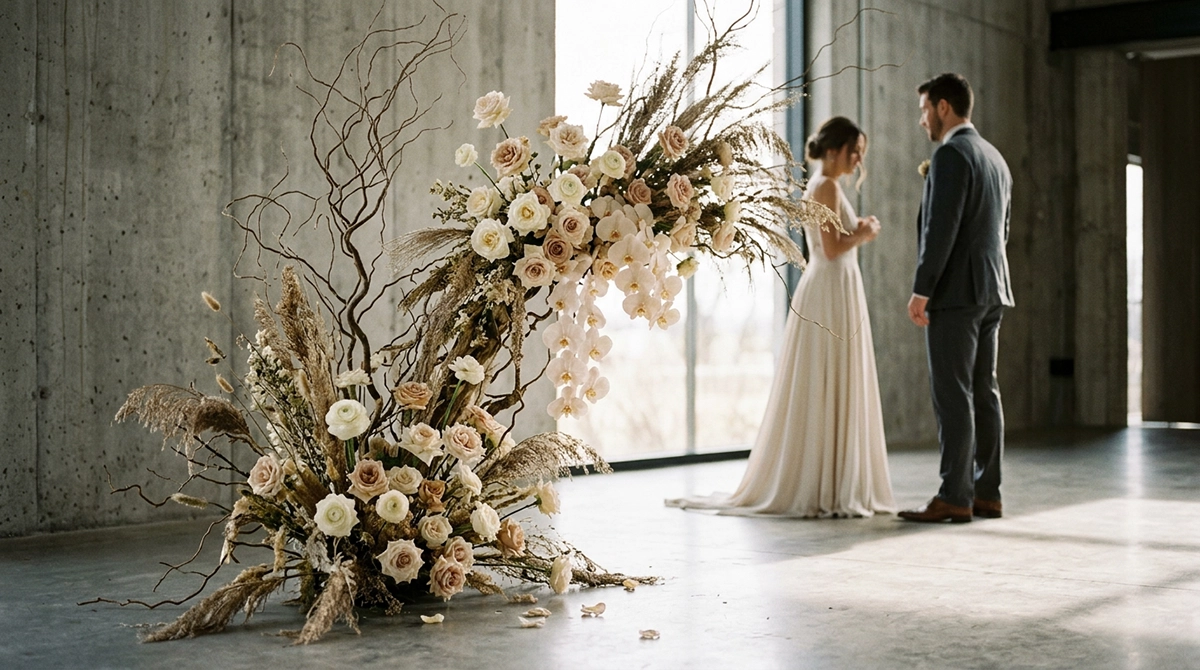
Sculptural arrangements, monochrome palettes, and show-stopping installations are reshaping what wedding florals can be. Here’s what’s leading the way and how to make it work for your celebration.
If you’ve been to a wedding lately, you may have noticed something shifting. The era of matched centerpieces lining every table in predictable rows? It’s quietly stepping aside to make room for something with a lot more personality.
Couples planning 2026 weddings are approaching florals the way a curator approaches a gallery. Fewer pieces, stronger impact. Florists are leaning into structure, negative space, and asymmetry. The result is a celebration that feels considered and intentional, like someone actually thought about how you’d move through the room.
Sustainability is part of the story too. Ceremony installations that pack up and travel to the reception. Preserved elements mixed with fresh blooms. Designs built to be repurposed rather than tossed. It’s a more thoughtful approach all around.
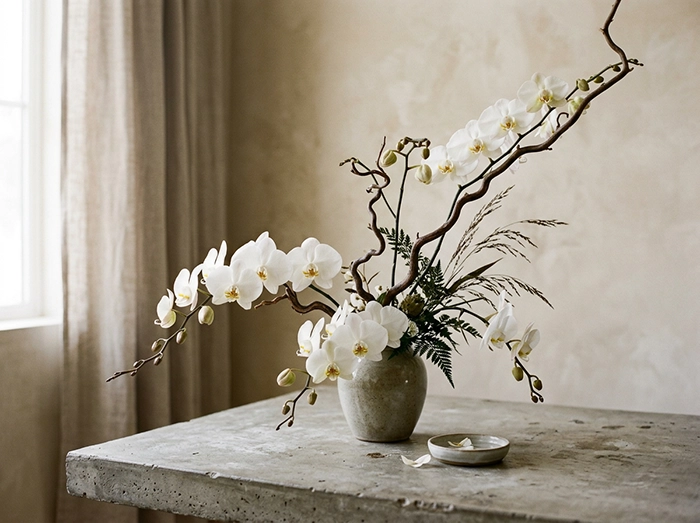
Sculptural floral design is probably the biggest conversation in wedding florals right now. These aren’t arrangements in the traditional sense. They’re compositions, with elongated stems, unexpected angles, and breathing room built right into the design.
Think Ikebana-influenced centerpieces where three stems say more than thirty. Think ceremony frames that wrap one side of the couple instead of forming a symmetrical arch. Think twisted branches and cascading orchids that cast actual shadows.
Popular ways couples are using this look:
This style lives best in modern venues: converted warehouses, art galleries, minimalist outdoor spaces. Anywhere that lets the shapes and their shadows breathe.
The most beautiful sculptural arrangements use negative space as intentionally as they use the blooms themselves. What’s absent matters as much as what’s there.
Monochrome weddings have been simmering for a few years, and 2026 is the year they’ve fully arrived. But here’s the thing most people get wrong: monochrome doesn’t mean boring. It means layered. Textured. Intentional.
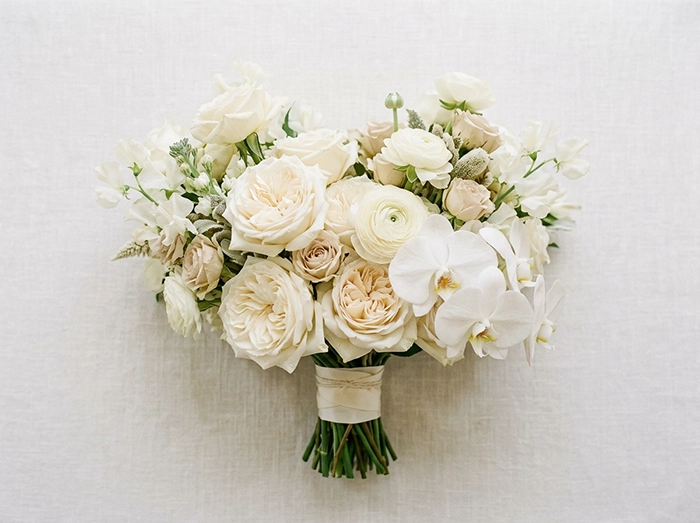
Instead of mixing ten different colors, florists are building entire worlds within one hue. A white and ivory palette might combine garden roses, ranunculus, and orchids in half a dozen tonal variations. A deep burgundy scheme layers in berry, aubergine, and plum for something that feels genuinely dramatic.
The most popular monochrome directions right now:
Single-hue palettes photograph beautifully, which isn’t nothing. They also make the rest of your decor decisions significantly easier. When everything is working within one color family, cohesion basically takes care of itself.
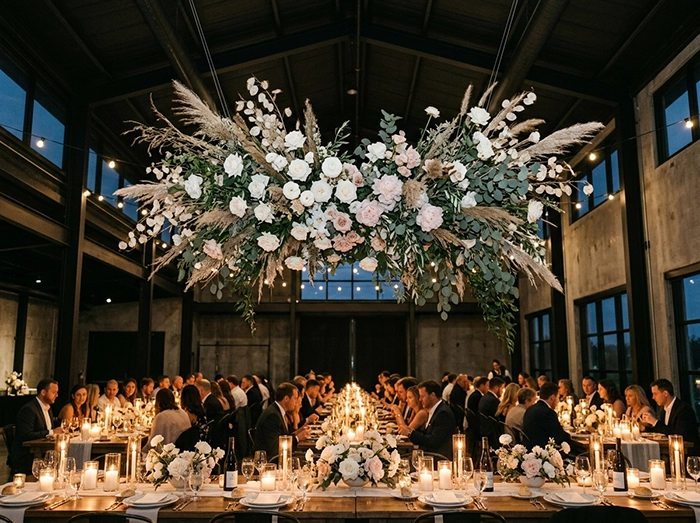
This is the trend that’s gotten the most attention, and for good reason. Instead of spreading a floral budget evenly across a room, more couples are concentrating it. One suspended floral cloud above the dance floor. One oversized ceremony arch that functions like a piece of art. One lush entryway installation that makes guests stop walking and just look.
High-impact installation ideas that are leading the pack:
The best installations mix fresh flowers with branches, dried grasses, and preserved elements. This adds scale and texture without requiring a floral budget that could fund a small car. It also keeps the piece visually interesting from across a large room.
All three of these trends point toward the same place: a design philosophy that prioritizes quality over quantity and impact over abundance. Fewer arrangements, made with more intention. Strong shapes over traditional rounded fullness. Tighter color stories over mixed palettes that feel busy.
The phrase circulating in the industry is “minimalist luxury,” and it’s an accurate description. This is the anti-filler aesthetic. No baby’s breath as an afterthought. No arrangements that exist just to fill a gap on a table. Every piece earns its place.
If these trends are speaking to you, a few things are worth knowing before you sit down with your florist.
Pick one floral direction and build your entire look around it, rather than trying to incorporate all three trends at once. A wedding that tries to do sculptural and maximalist installations and three different color stories is going to feel chaotic, not curated.
Pair sculptural centerpieces with a monochrome palette. The restraint of the color story makes the architecture of the arrangement read more clearly. If you invest in one large statement installation, keep the table flowers simple. Let the hero piece do its job without visual competition.
Sculptural and asymmetrical floral work depends on proportion, line, and spacing as much as flower choice. Ask specifically about their experience with this style. Ask to see examples. A florist who excels at traditional lush arrangements may not have the eye for negative space that sculptural design requires.
Ask your florist about moving ceremony pieces to the reception. A dramatic arch that gets repositioned as a photo backdrop during cocktail hour is serious budget efficiency. Installations designed with this in mind can look intentional in two completely different spaces.
The through-line in all of 2026’s biggest floral trends is intention. Couples and florists are asking more of wedding flowers than they ever have, and the results are genuinely stunning.